Common Production Methods Used by Stainless Steel Water Bottle Manufacturers
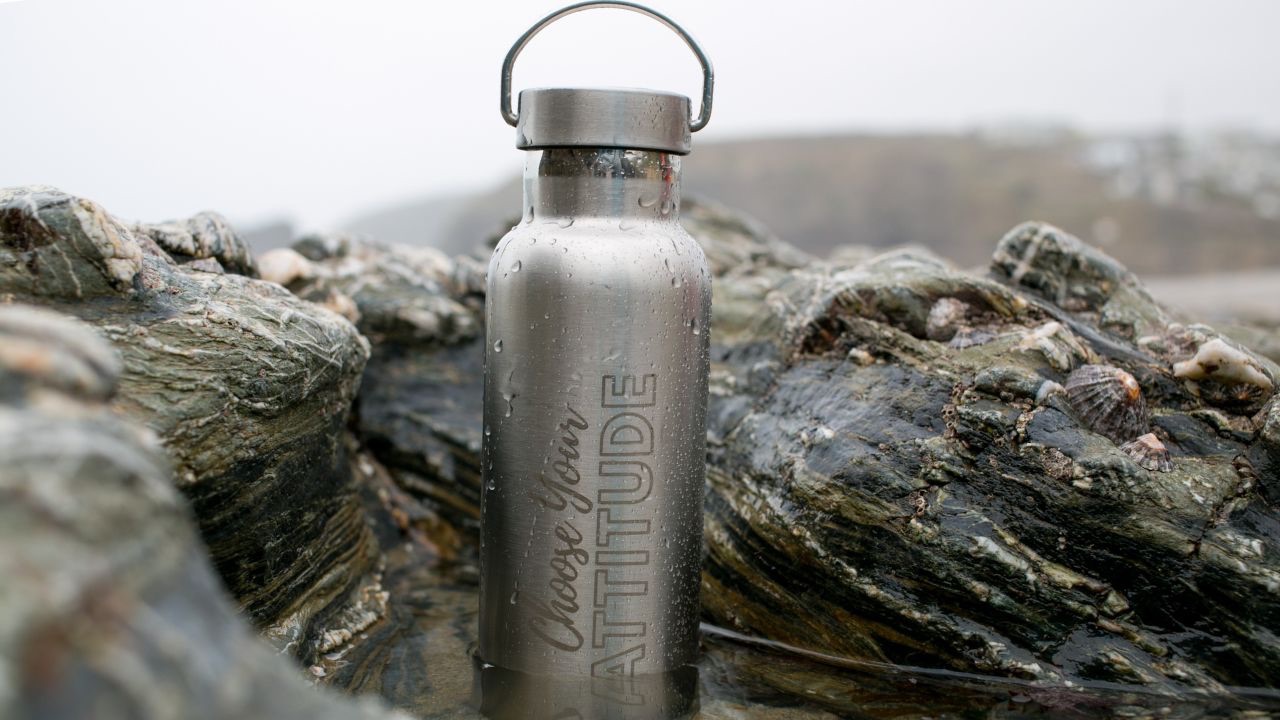
Stainless steel water bottles are used daily for sports, travel, and outdoors. Making one involves several steps. They are manufactured in large quantities and with consistent quality by a stainless steel water bottle manufacturer, such as Everich Hydro, which integrates automated systems with conventional metalworking techniques.
Material Preparation
Typically, the manufacturing begins with stainless steel sheets or coils. In addition to being safe for drinkware, 304 or 316 stainless steel is commonly used by manufacturers because it is rust-resistant. The metal is checked for thickness, surface quality, and uniformity of quality before it is shaped.
Tube Forming
The first big manufacturing process is the creation of the stainless steel body. The large metal sheets are rolled into cylinders to form the bottle’s body. The machines shape and press steel into a smooth tube. Precise forming prevents sealing or insulation issues caused by uneven surfaces.
Welding the Bottle Body
When the steel is formed into a cylinder, the manufacturer welds the seam, creating an extremely durable bottle body. This is done in most cases using a machine welder to do the task efficiently and effectively. This welding area is then polished to produce a smoother finish. Quality welds will minimize leaks and provide added strength.
Neck Shaping Process
The top of the bottle is formed separately to form the bottle opening and the threading area for the lid. This step typically involves pressure and heat to mold. For various final bottle designs, manufacturers make different neck designs. There are several different types of sports bottles, narrow-mouth bottles, and wide-mouth bottles, all of which have slightly different shaping techniques.
Bottom Forming
The base of the bottle is attached once the main body is ready. This section should be adequately sealed to ensure durability and insulation. Some bottles feature reinforced bases to help them serve as anchor points for stability. Everich Hydro offers a range of bottles with varying bottom designs, based on the function you need, such as sports bottles, outdoor bottles or carrying bottles.
Vacuum Insulation Production
Insulated bottles have two walls with a vacuum between them, which reduces heat transfer. Special equipment is needed to remove air from this process between the walls. Bottles stay hot or cold longer when properly vacuum-sealed.
Leak Testing
Once bottles are insulated, they undergo leak testing. Manufacturers test for any leakage around the bottle body or lid, whether to water or air. Pressure systems, water immersion or vacuum testing systems can be used for testing. Failing bottles are taken off prior to final assembly.
Surface Polishing
Polishing enhances both beauty and feel. Products can be mirrored, matte or brushed with stainless steel if desired. Polishing machines are used to remove rough surfaces from the workpiece caused by welding and forming. Automatic polishing machines are used on some lines at Everich Hydro’s production facilities to ensure high-quality surfaces for large-scale production orders.
Powder Coating and Painting
A significant number of the stainless steel bottles have painting or powder coating. These finishes not only add color but also enhance scratch resistance. It is usually done by powder coating to provide a durable outer layer. Gradient colors, textured finishes or rubber-style finishes are also sometimes applied to provide extra grip and visual appeal.
Printing and Branding
Logos, graphics and text are often added to the bottle’s surface after manufacturing. The most common printing techniques are laser engraving, silk screen printing, UV printing and heat transfer printing. Retail products, corporate gifts and promotions are extensively branded. Various printing processes are chosen depending on durability, design details and production volume.
Lid Manufacturing
Typically, bottle lids are produced separately from the rest of the bottle. Can be made of stainless steel, plastic, silicone or a combination of materials. Some lids come with a flip top, straws, locking systems or handles to carry. Everich Hydro produces several styles of lids for various bottle applications, such as sports and outdoor use.
Assembly and Packaging
When all the parts are finished, the bottles are transferred to the next assembly process. Lids, seals and accessories are added by workers or automated systems prior to inspection. Another aspect of production is packaging bottles that need protection during transport to the customer. There are a variety of packaging techniques depending on the purpose of the package or the goods it contains.
Quality Inspection
Final quality check takes place prior to shipment. Manufacturers inspect the bottle’s appearance, insulation properties, printing quality, and overall construction. Some factories even perform drop tests, temperature-retention tests, and dishwasher-resistance tests.
Conclusion
The stainless steel water bottle manufacturing process is not easy and is carefully managed, with each process from metal shaping and welding, to the vacuum insulation and the final finishing. The durability, safety, visual appeal and overall performance of the bottle are impacted by each manufacturing step. Manufacturers using state-of-the-art methods are still enhancing their production efficiency by implementing automation, new finishing technologies and better testing methods. These practices are used by companies such as Everich Hydro to produce high-quality stainless steel bottles suitable for everyday use, travel, sports, and outdoor activities.